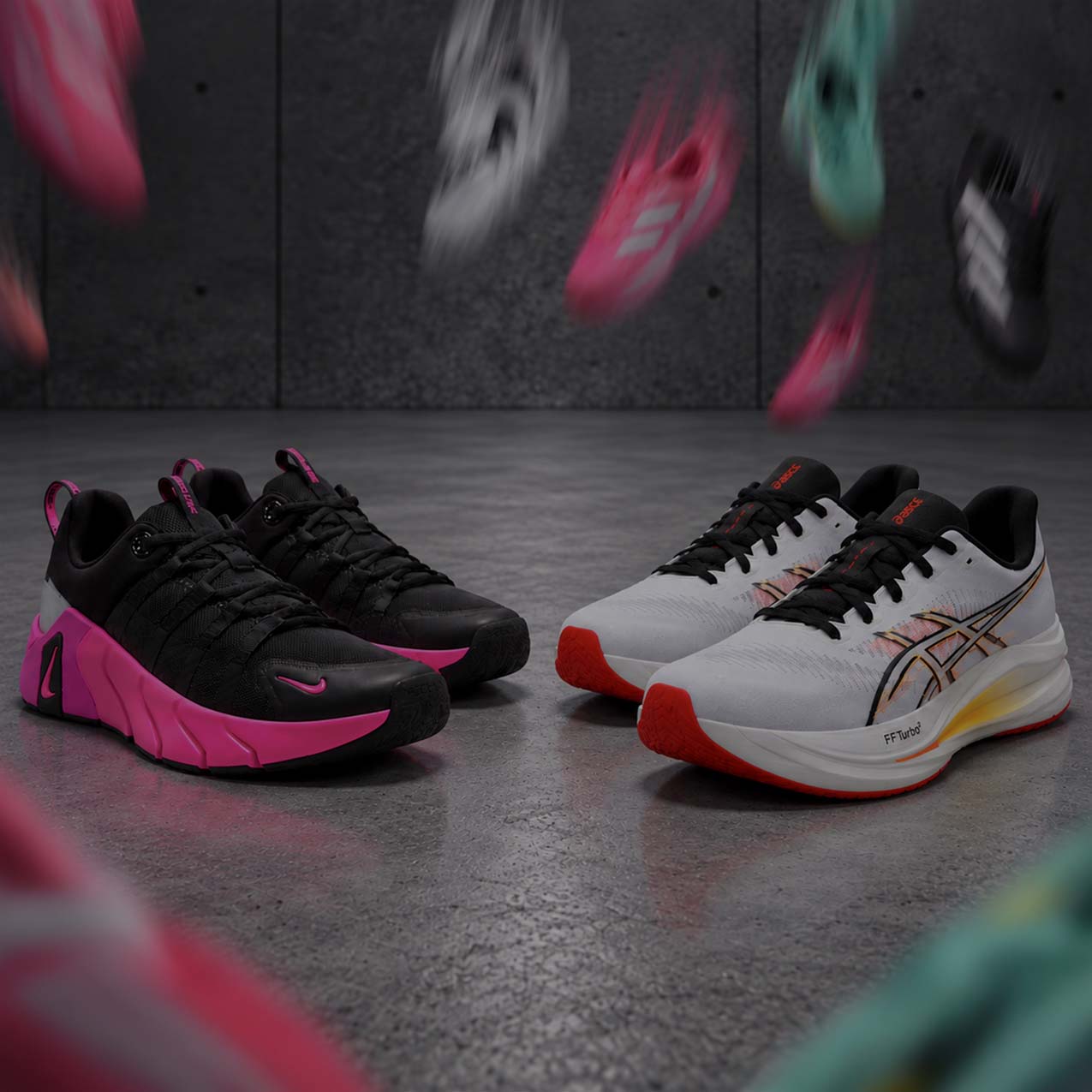
Choosing the right pair of sports shoes can make a significant difference to your comfort, performance, and even injury prevention. While running shoes and training shoes may look similar, they are designed for completely different types of movement. Wearing the wrong footwear for your workout can lead to reduced performance, discomfort, and unnecessary stress on your feet and joints.
If you’ve ever wondered “Should I buy running shoes or training shoes?”, this guide explains the key differences and helps you choose the best option for your fitness goals.
What Are Running Shoes?
Running shoes are engineered specifically for forward movement. Every running stride generates repeated impact on your feet, ankles, knees, and hips, so these shoes are designed to absorb shock while helping you move efficiently from heel to toe.
Key features of running shoes:
- Thick, responsive cushioning
- Lightweight construction
- Breathable mesh upper
- Higher heel-to-toe drop for smoother transitions
- Excellent shock absorption
- Energy-returning midsoles
Running shoes are ideal for:
- Road running
- Treadmill workouts
- Long-distance running
- Daily walks
- Marathon training
If most of your workouts involve covering distance in a straight line, running shoes are the best choice.
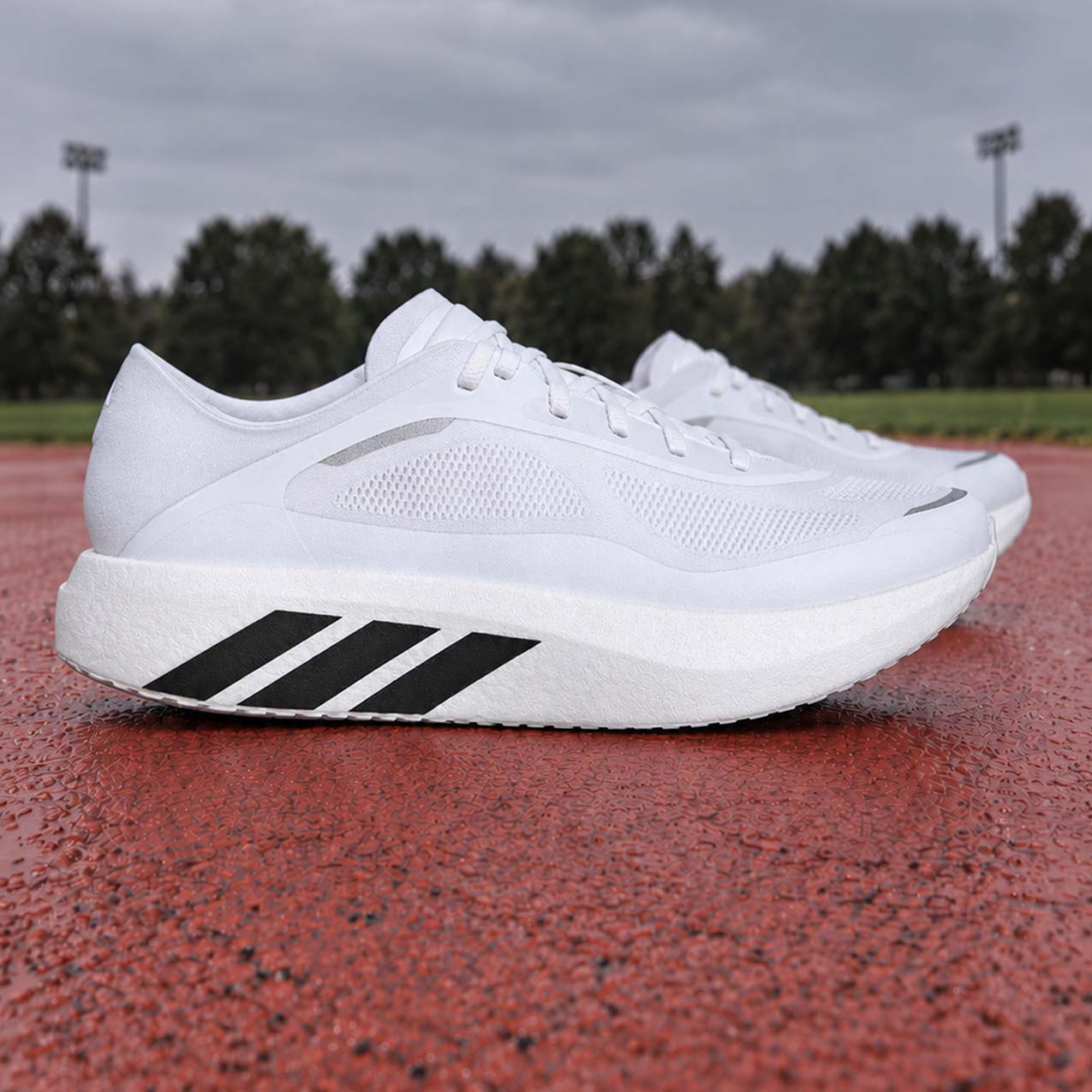
Here are some running shoes to enhance your next 5k:
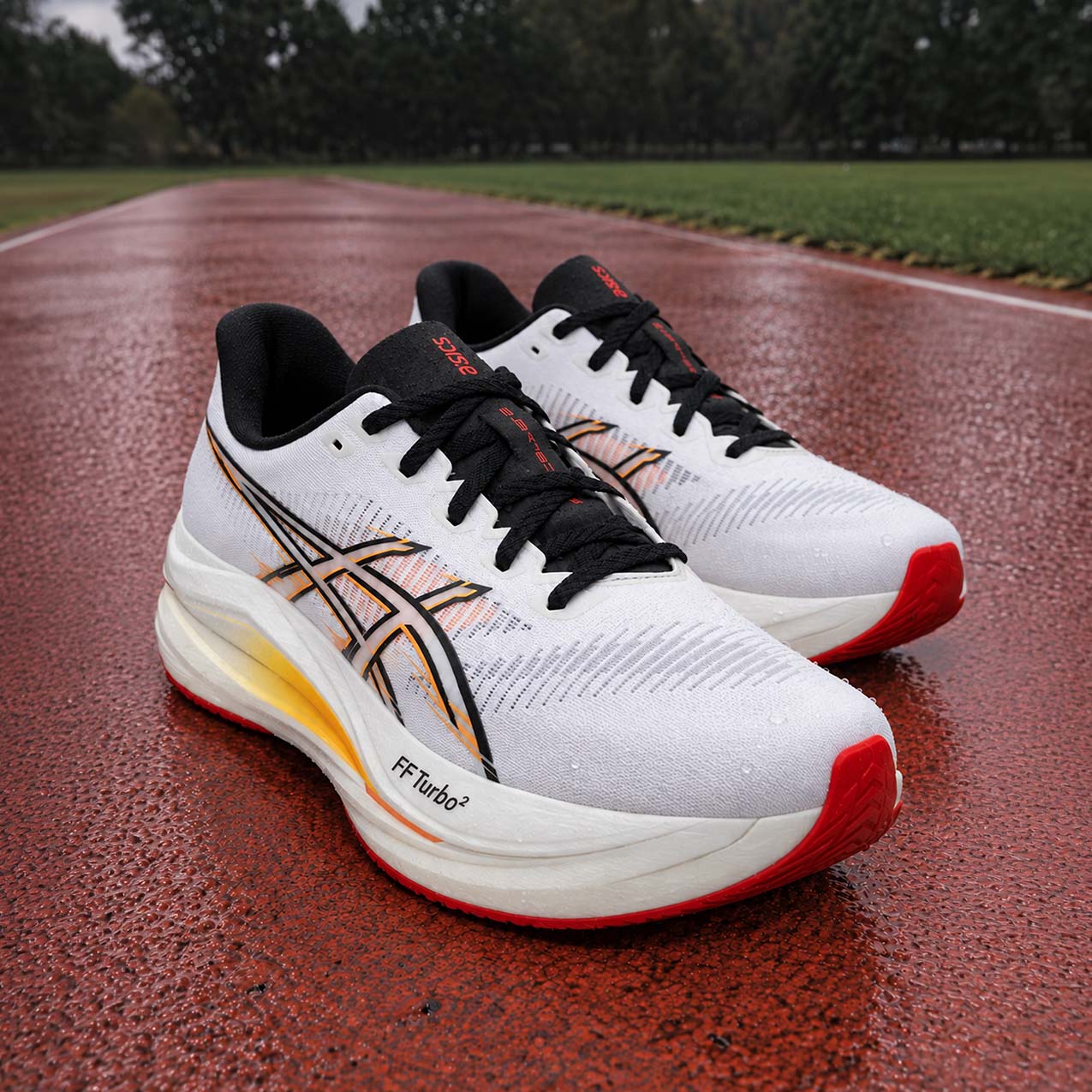
ASICS Men’s SONICBLAST 2: A responsive daily trainer built for speed, featuring dual-layer foam and a supportive stability plate.
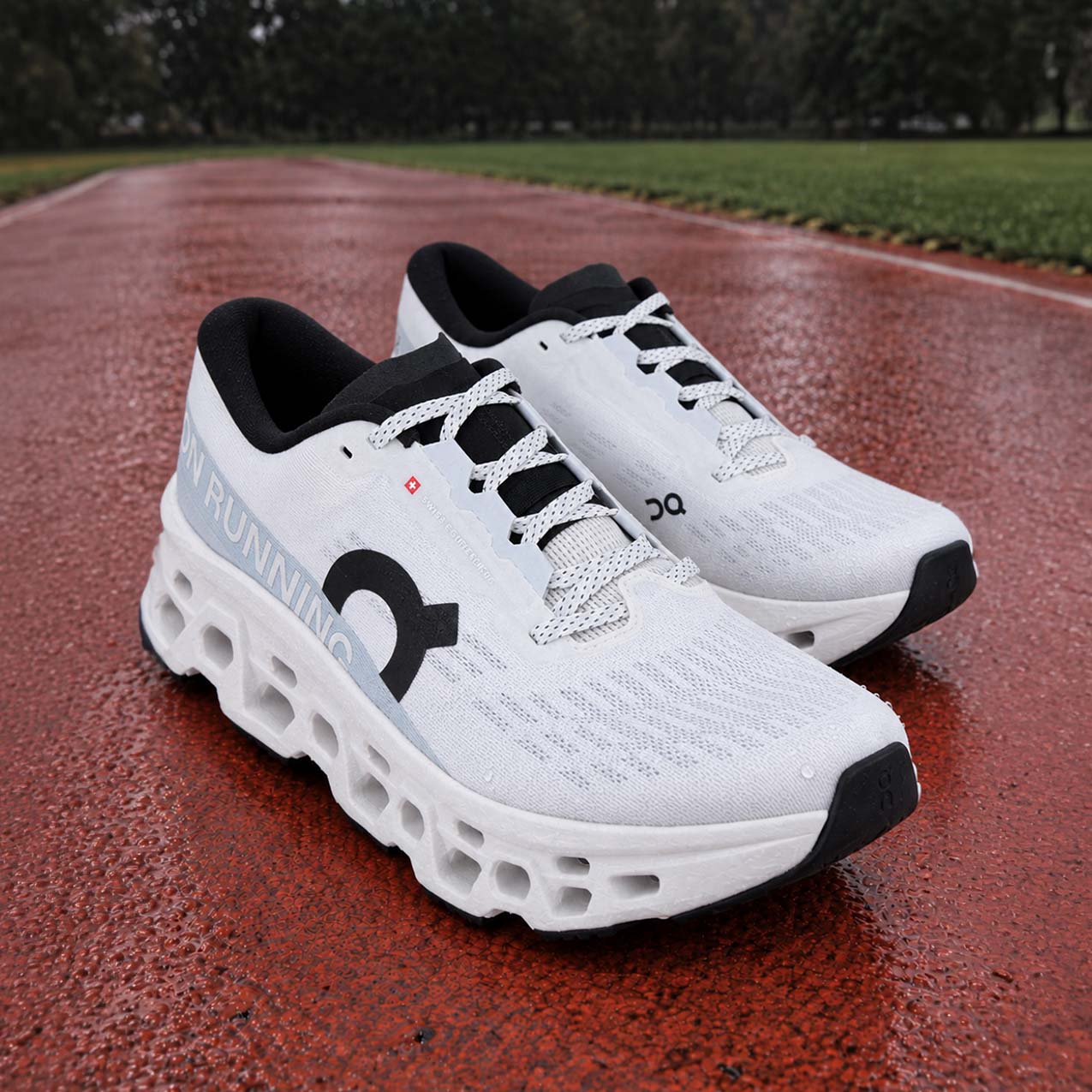
On Men’s Cloudmonster 3: A max-cushion road shoe designed for smooth, high-comfort runs with lightweight foam and signature pods.
What Are Training Shoes?
Training shoes—also known as cross-training shoes—are built for workouts that involve moving in multiple directions. Instead of focusing on cushioning, they prioritize stability, grip, and support for activities such as strength training, HIIT, circuit workouts, and agility exercises.
Key features of training shoes
- Flatter, more stable sole
- Firm midsole for balance
- Reinforced lateral support
- Durable outsole for gym floors
- Excellent grip for quick changes in direction
Training shoes are ideal for:
- Weightlifting
- HIIT classes
- CrossFit
- Functional training
- Circuit workouts
- Plyometric exercises
If your workouts involve jumping, lifting, squatting, or side-to-side movements, training shoes will provide better stability and control.
Here are some training shoes to enhance your next workout:
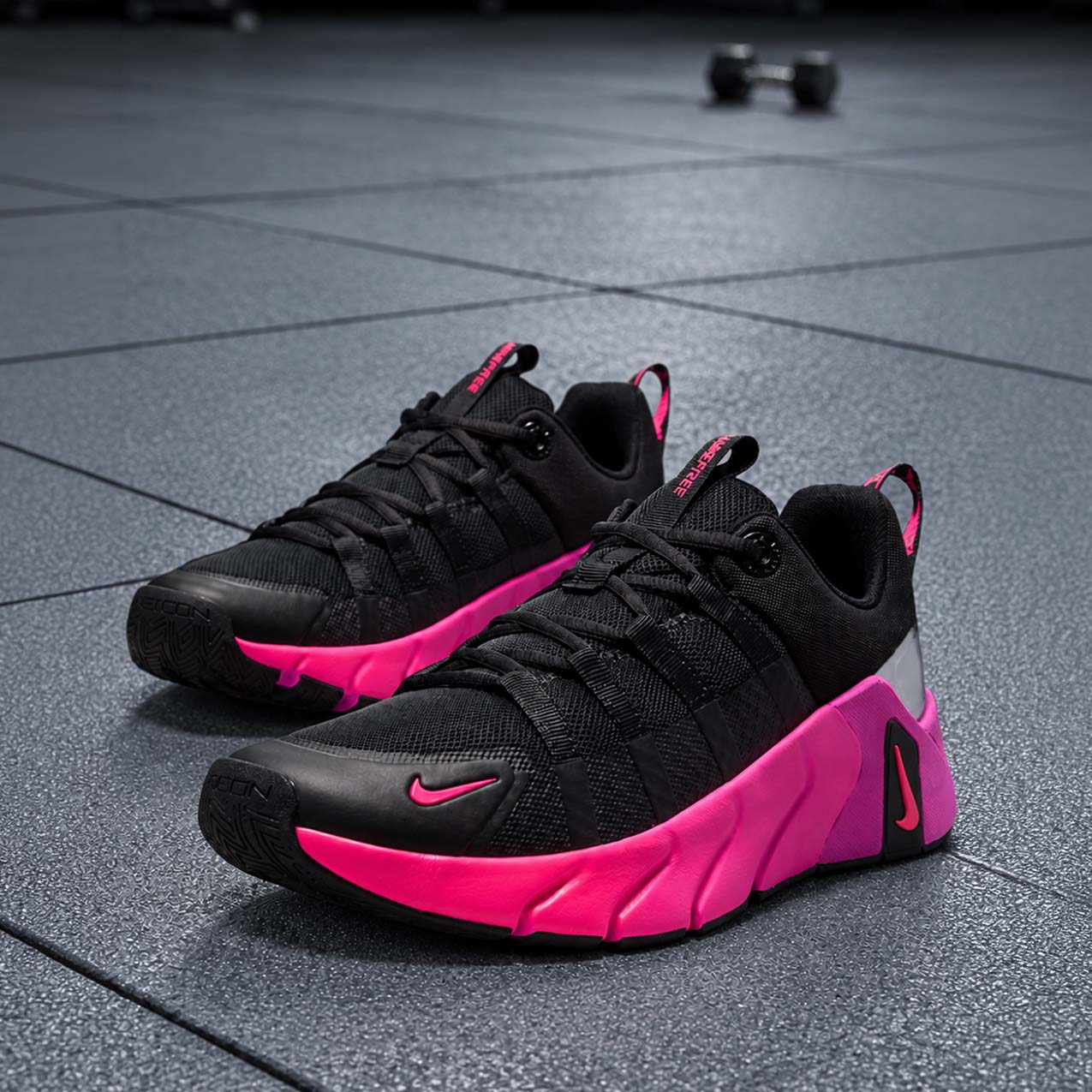
Nike Women’s Free Metcon 7: Lightweight and flexible, designed with Nike Free technology to handle everything from weightlifting to plyometrics and cardio.
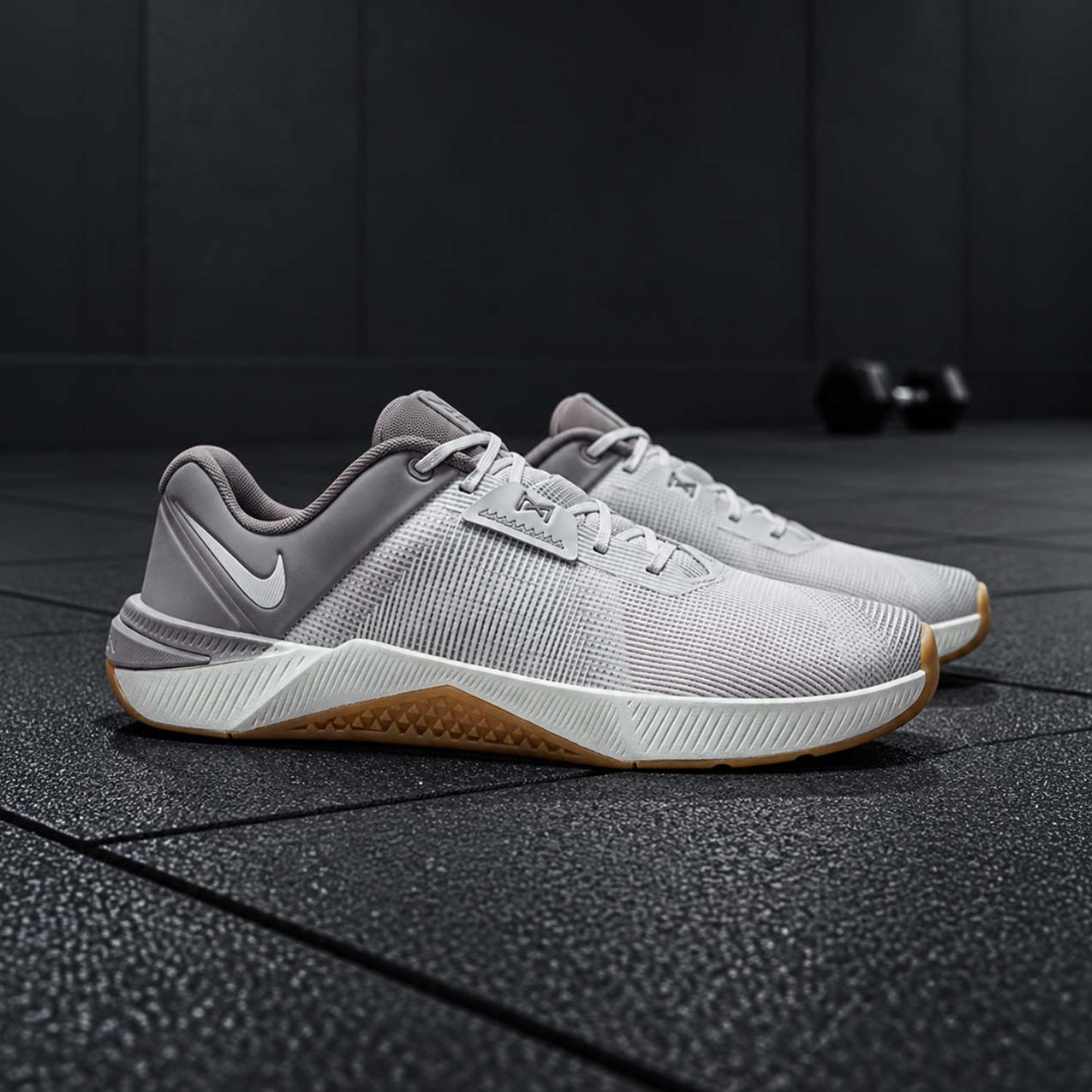
Nike Men’s Metcon 10: High-performance lifting shoe featuring a stable Hyperlift plate, ReactX cushioning, and a sticky rubber outsole for your toughest, heaviest workouts.
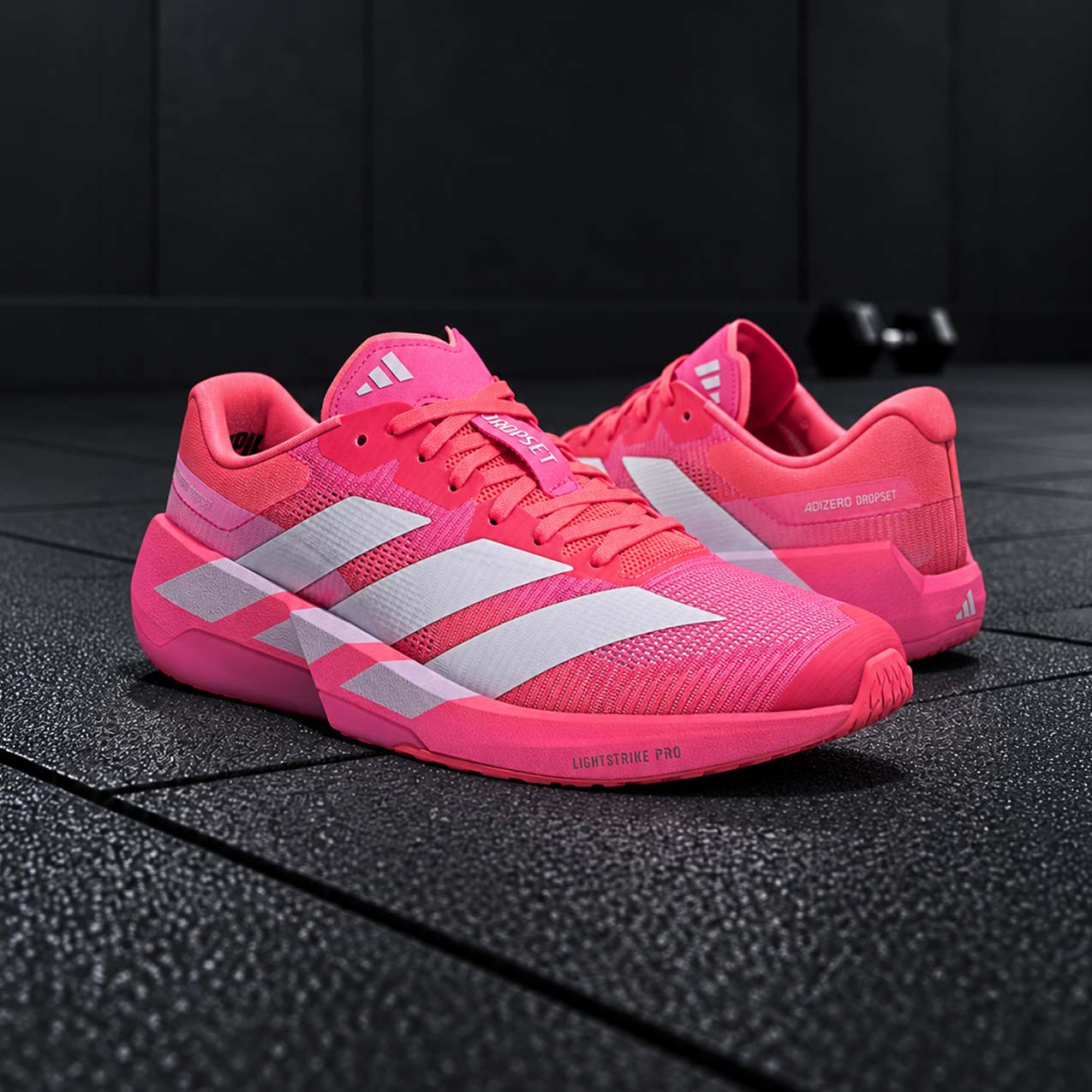
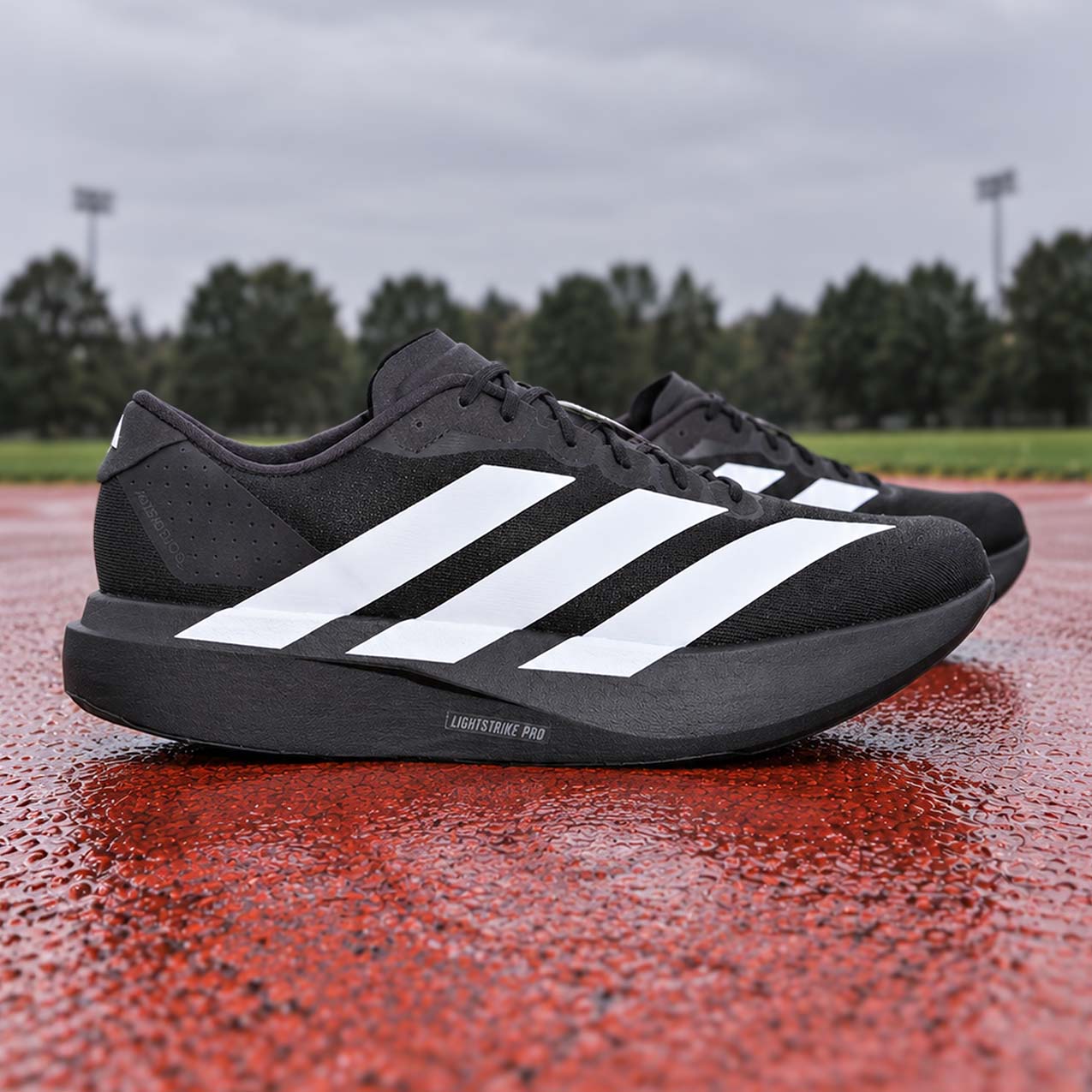
adidas Women’s Adizero Dropset Pro: Sleek, breathable power-training shoe equipped with Lightstrike Pro cushioning and a Continental™ rubber outsole for ultimate stability and confidence during intense gym sessions.
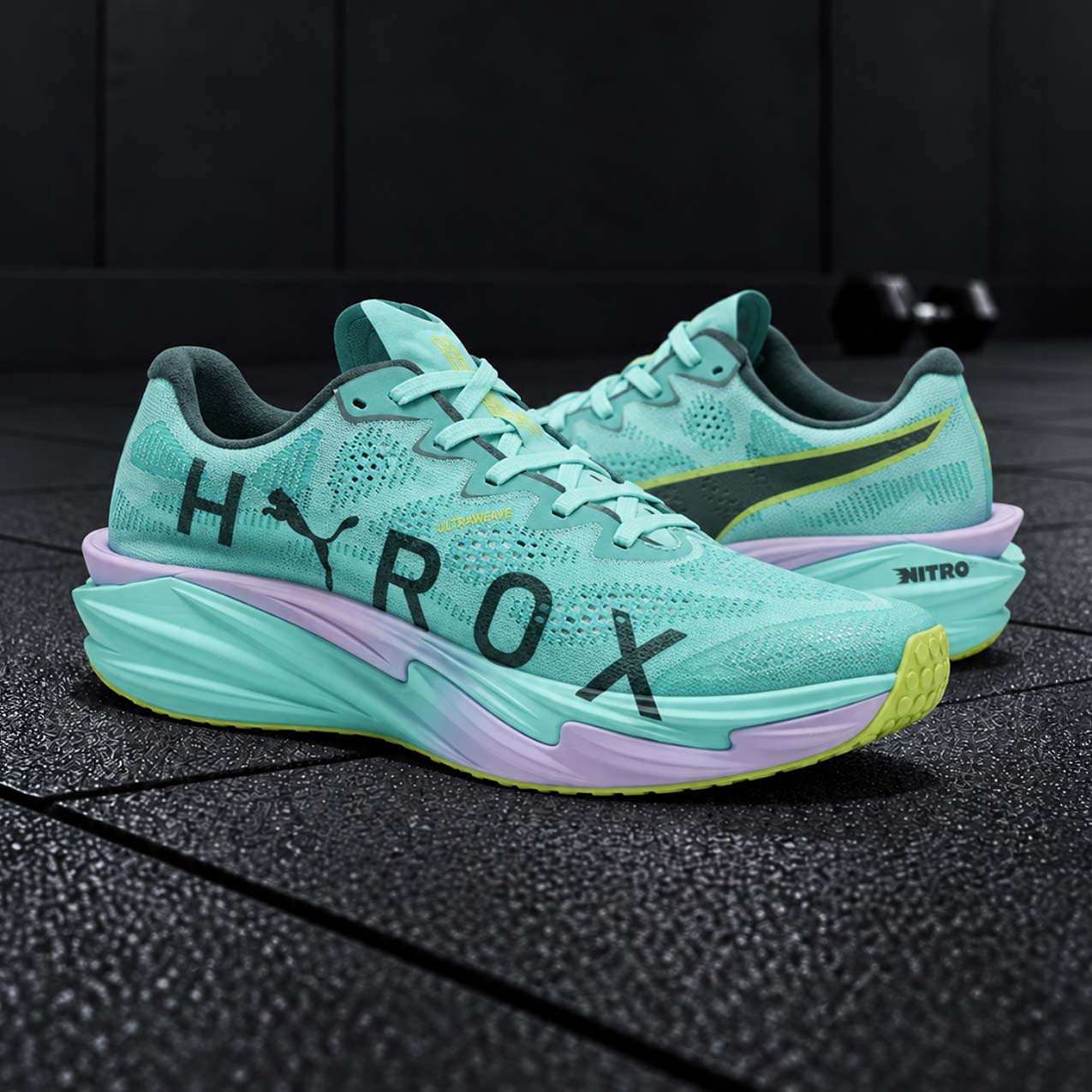
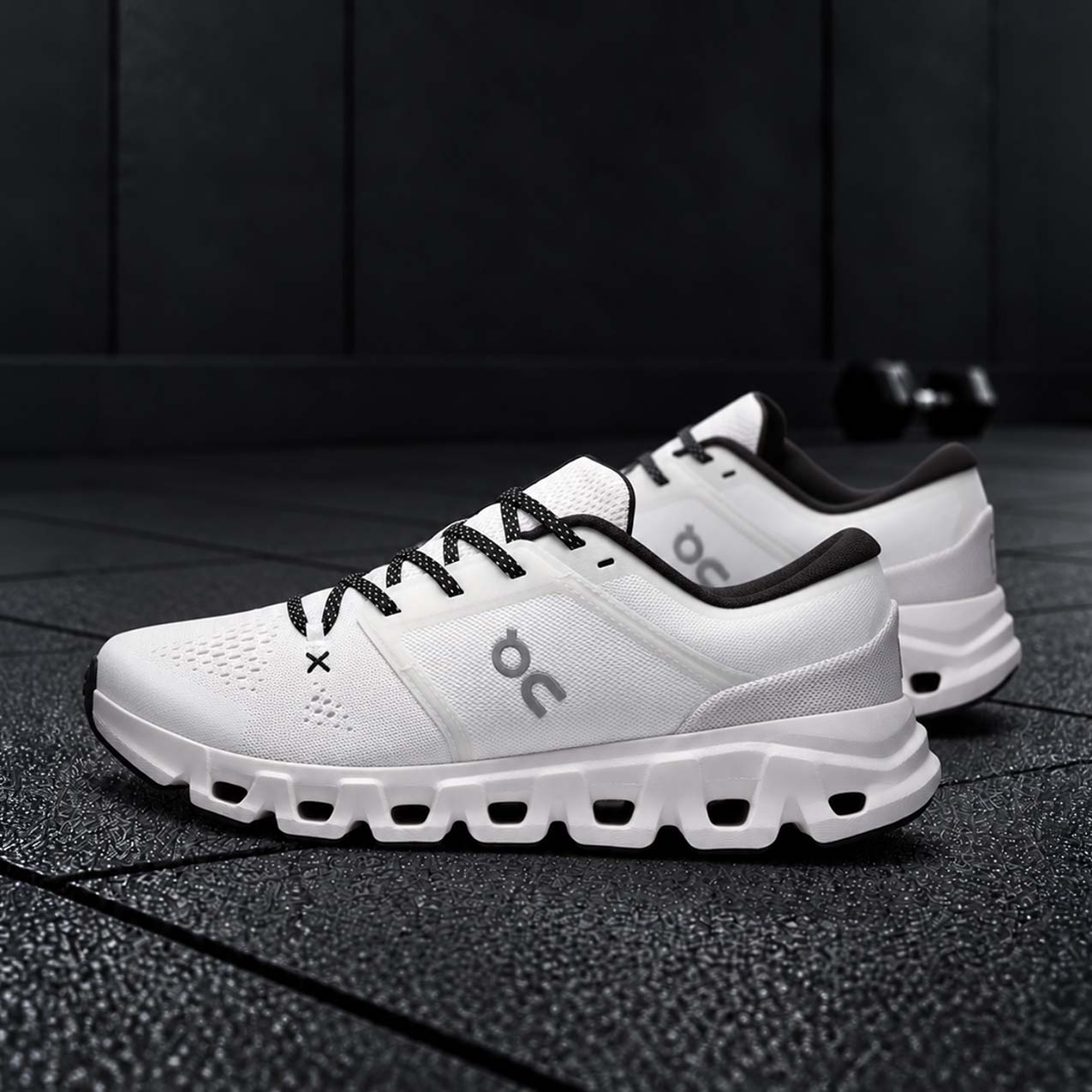
On Men’s Cloud X 5: A versatile, lightweight gym trainer built with a breathable mesh upper, flexible Helion™ superfoam, and a supportive, locked-in fit.
Running Shoes vs Training Shoes: What’s the Difference?
Although both are athletic shoes, they serve different purposes:
| Feature | Running Shoes | Training Shoes |
| Main purpose | Forward movement | Multi-directional movement |
| Cushioning | High | Moderate |
| Stability | Moderate | High |
| Lateral support | Limited | Excellent |
| Heel-to-toe drop | Higher | Lower |
| Weightlifting | Not recommended | Excellent |
| Long-distance running | Excellent | Not recommended |
| HIIT workouts | Fair | Excellent |
Think of it this way:
- Running shoes help you move forward comfortably.
- Training shoes help you stay balanced while moving in every direction.
Can You Wear Running Shoes to the Gym?
Although both are athletic shoes, they serve different purposes. This is one of the most common questions among beginners. The answer depends on what you’re doing at the gym.
Running shoes are suitable for:
- Walking on the treadmill
- Light jogging
- Elliptical workouts
- Low-impact cardio
Running shoes are not ideal for:
- Heavy squats
- Deadlifts
- Box jumps
- Burpees
- HIIT sessions
- Agility drills
The soft cushioning that makes running shoes comfortable also creates an unstable base during strength exercises. When lifting weights, you want your feet to stay firmly planted on the ground rather than sinking into thick foam.
Can You Run in Training Shoes?
Training shoes can handle short runs or warm-up jogs, but they aren’t designed for regular running.
They’re suitable for:
- Warm-up runs
- Short treadmill sessions
- Sprint intervals
However, they aren’t the best choice for:
- 5K races
- Long-distance running
- Marathon training
- Daily road running
Without the extra cushioning and forward propulsion found in running shoes, longer runs may feel less comfortable and place more stress on your joints.
Which Shoe Should You Choose?
The easiest way to decide is to think about the activity you do most often.
Choose running shoes if you mainly:
- Run outdoors
- Train for races
- Walk long distances
- Use the treadmill regularly
Choose training shoes if you mainly:
- Lift weights
- Attend HIIT classes
- Do CrossFit
- Complete circuit training
- Perform functional fitness workouts
If you split your time between running and gym workouts, owning one pair of each will give you the best performance and comfort.
What to Look for in Running Shoes?
When shopping for running shoes, prioritize features that support repetitive impact and long-distance comfort.
Look for:
- Responsive cushioning
- Lightweight design
- Breathable upper
- Comfortable heel fit
- Durable outsole
- Smooth heel-to-toe transition
Popular running shoe collections include models from Nike, ASICS, HOKA, adidas, New Balance, On, and Under Armour, each offering options for beginners and experienced runners alike.
What to Look for in Training Shoes?
Training shoes should provide a secure, stable platform for a variety of gym movements.
Key features include:
- Flat, stable sole
- Strong grip
- Reinforced sidewalls
- Durable rubber outsole
- Secure midfoot support
- Flexible forefoot
These features help improve balance during lifts while giving you confidence during quick direction changes.
Frequently Asked Questions
Can I use running shoes every day?
Yes. Running shoes are comfortable for walking, commuting, and everyday wear, although using them for heavy gym workouts may shorten their lifespan.
Are training shoes good for walking?
Yes, especially for shorter distances. If you spend hours walking each day, running shoes usually provide greater cushioning.
Can I lift weights in running shoes?
It’s possible, but not recommended. Training shoes offer a firmer base that improves balance and stability during strength exercises.
Should beginners buy running shoes or training shoes?
Choose the shoe that matches your primary activity. If you mostly run, invest in running shoes. If your focus is gym workouts, training shoes are the better option.
How often should I replace running shoes?
Most running shoes should be replaced after approximately 300–500 miles (480–800 km), although the exact lifespan depends on your running style, terrain, body weight, and the shoe model. If you notice reduced cushioning, worn outsoles, or discomfort on familiar runs, it may be time for a new pair.
Final Thoughts
Choosing between running shoes vs training shoes doesn’t have to be complicated.
If your workouts focus on running, choose footwear designed for forward motion, cushioning, and impact protection. If your routine revolves around strength training, HIIT, or functional fitness, training shoes will provide the stability and support you need.
To find the right pair, explore the latest selection of running shoes and training shoes at Sun & Sand Sports (SSS) online or in-store, featuring top brands like ASICS, On, and adidas.
Investing in the right footwear not only improves performance but can also make every workout more comfortable and help reduce unnecessary strain on your body. Before making your next purchase, think about how you train most often—and choose the shoe that’s built for the job.
PakarPBN
A Private Blog Network (PBN) is a collection of websites that are controlled by a single individual or organization and used primarily to build backlinks to a “money site” in order to influence its ranking in search engines such as Google. The core idea behind a PBN is based on the importance of backlinks in Google’s ranking algorithm. Since Google views backlinks as signals of authority and trust, some website owners attempt to artificially create these signals through a controlled network of sites.
In a typical PBN setup, the owner acquires expired or aged domains that already have existing authority, backlinks, and history. These domains are rebuilt with new content and hosted separately, often using different IP addresses, hosting providers, themes, and ownership details to make them appear unrelated. Within the content published on these sites, links are strategically placed that point to the main website the owner wants to rank higher. By doing this, the owner attempts to pass link equity (also known as “link juice”) from the PBN sites to the target website.
The purpose of a PBN is to give the impression that the target website is naturally earning links from multiple independent sources. If done effectively, this can temporarily improve keyword rankings, increase organic visibility, and drive more traffic from search results.