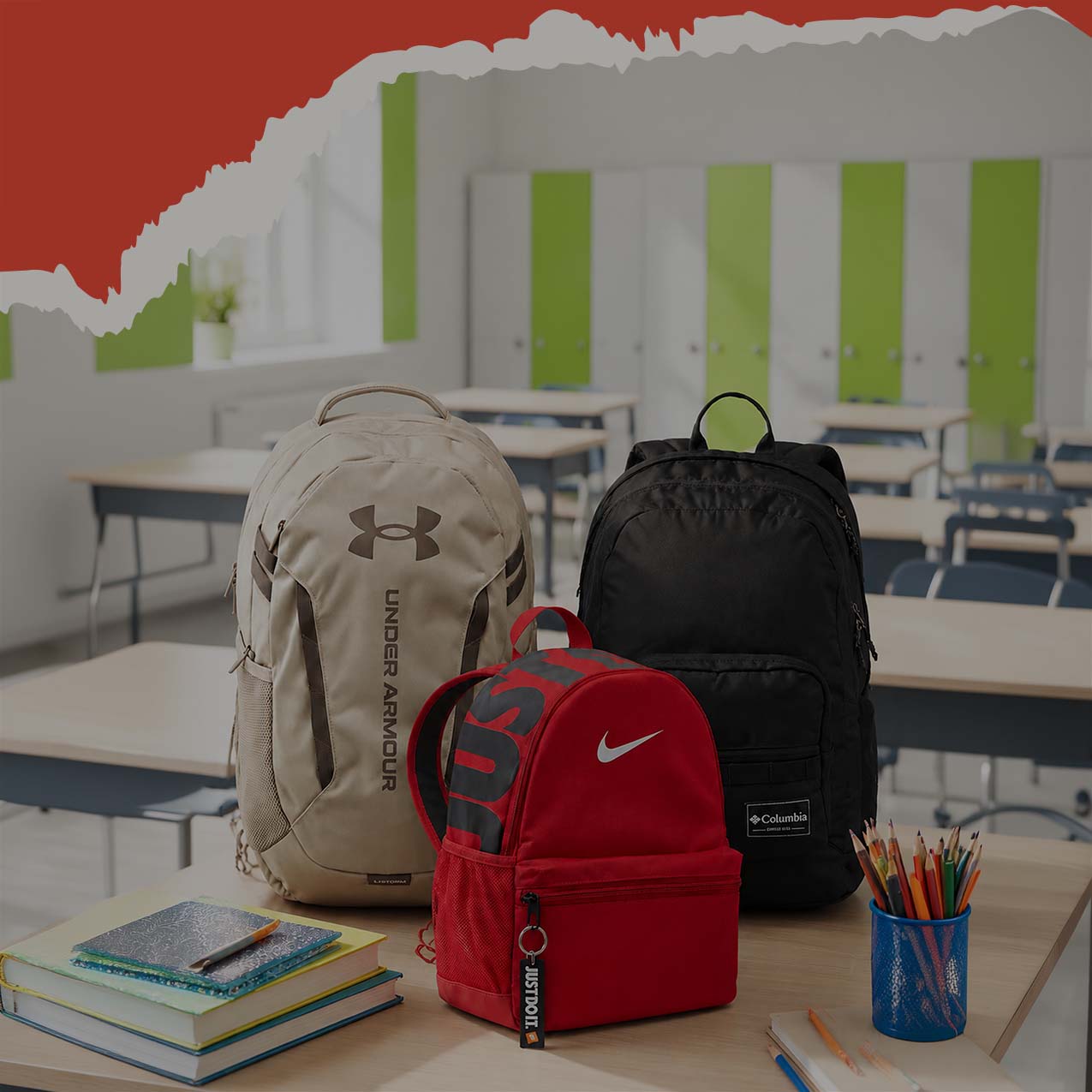
That first-day-of-school feeling is coming around again – new shoes, sharpened pencils, and yes, the annual hunt for a backpack that can actually survive the school year. If your back to school shopping list has “school bag” written at the top in capital letters, you’re in the right place.
At Sun and Sand Sports, we see the same thing every August: parents standing in the aisle, holding two backpacks, trying to guess which one won’t fall apart by October. So we put together this quick, no-nonsense guide to help you pick kids backpacks that actually fit – literally and practically.
Why Backpack Size Actually Matters
Here’s something a lot of people don’t think about until it’s too late: a backpack that’s too big for your child isn’t a “growing into it” situation – it’s a posture problem. An oversized bag swings, pulls on little shoulders, and makes even a light load feel heavy. Too small, and you’re stuffing folders in sideways by week two.
The easiest way to get it right is to shop by capacity, not just by age:
- 13-17L – Perfect for preschool and early primary. Small enough for tiny frames, big enough for a lunchbox, a water bottle, and a favorite toy.
- 18-23L – The sweet spot for primary schoolers. Room for books, a pencil case, and a change of clothes for PE day.
- 24-29L – Built for upper primary and middle school kids carrying heavier textbooks and more gear.
- 30L and up – For older students and teens who need space for laptops, binders, and everything in between.
If you’re shopping in-store or online, keep this range in mind and you’ll skip the guesswork entirely.
What to Look for Beyond the Size Label
Size gets you started, but a few other details separate a backpack that lasts the year from one that’s held together with tape by winter break.
Padded, adjustable straps. Non-negotiable, especially for younger kids who haven’t quite figured out how backpacks are supposed to sit.
A supportive back panel. Look for breathable mesh or built-in cushioning – it keeps the bag from digging in during a full day of wear.
Real compartments. A dedicated laptop sleeve, a side pocket for water bottles, and enough pockets to keep pencil cases from disappearing into the void – small things that make mornings smoother.
Our Picks: One Bag for Every Age and Stage
To take the guesswork out of it completely, here’s exactly what we’d put in the cart for each stage of school – for both girls and boys.
Backpacks for Girls
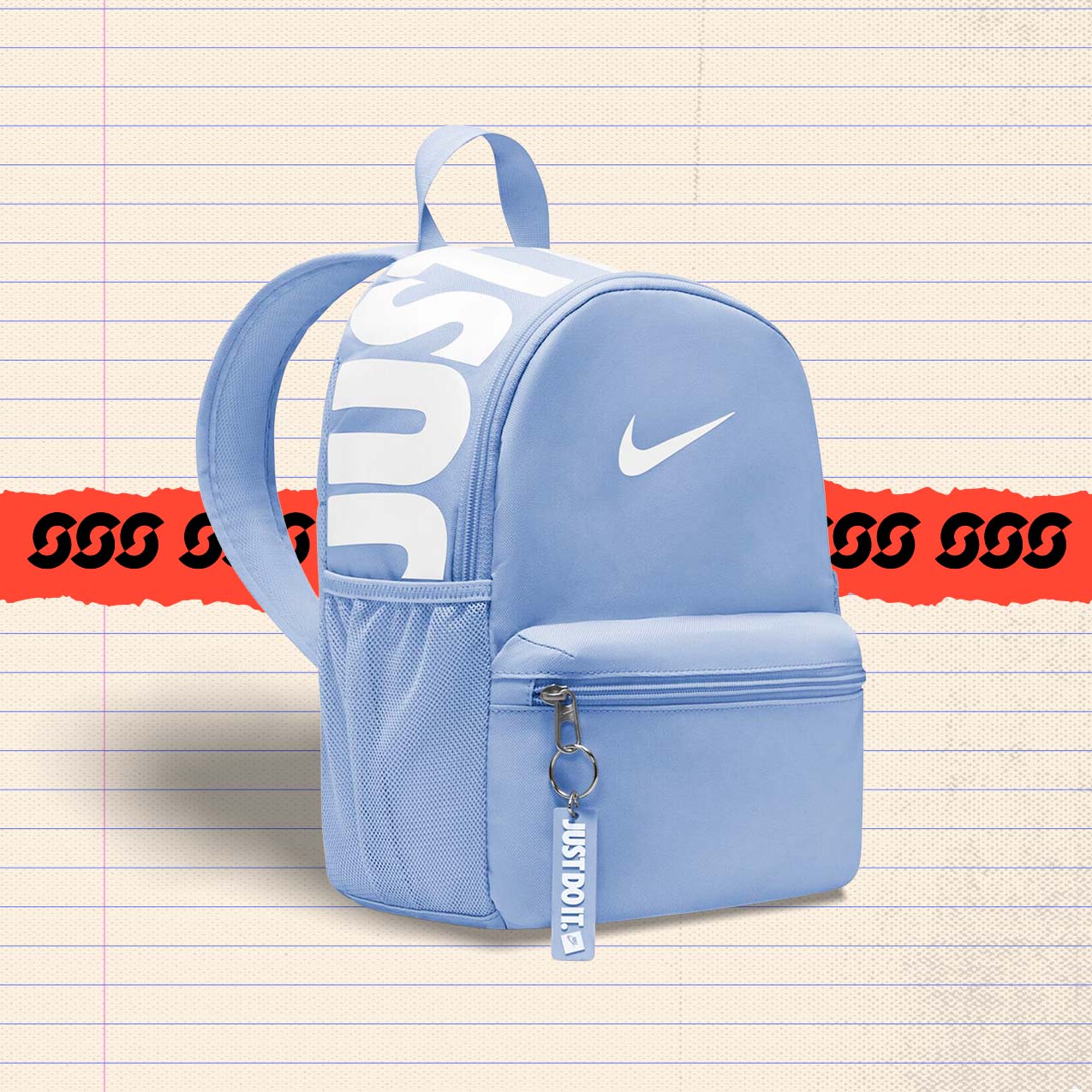
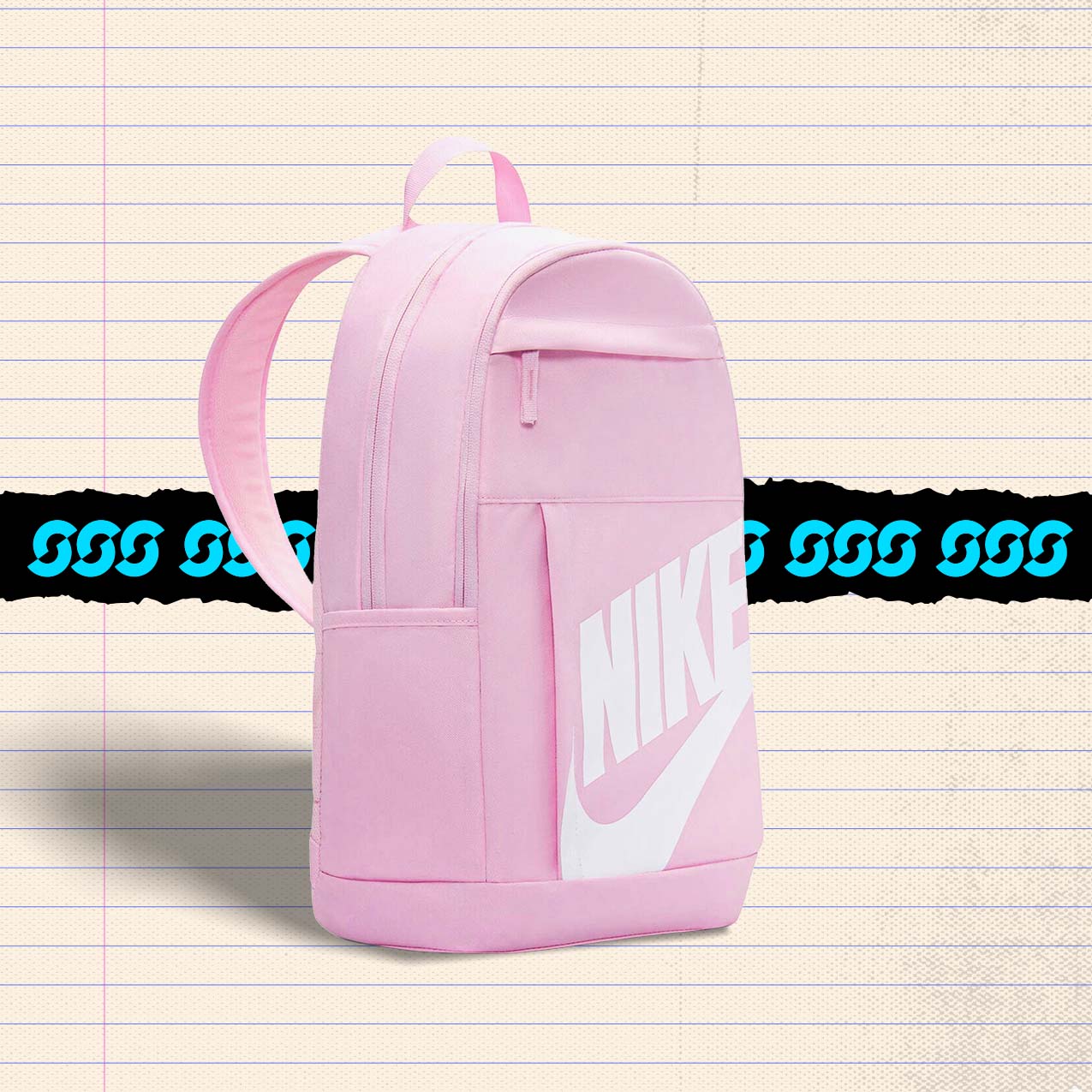
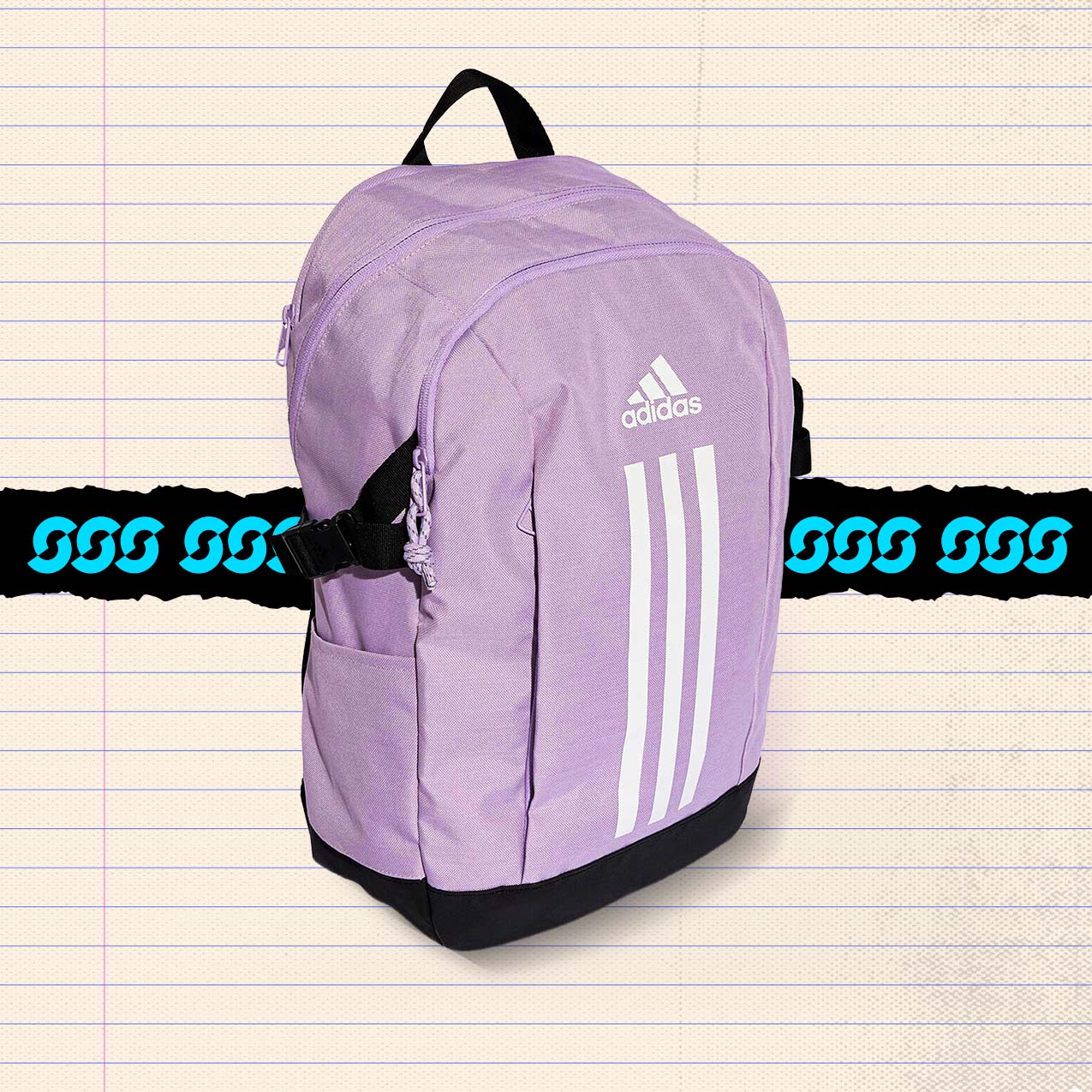
Middle School
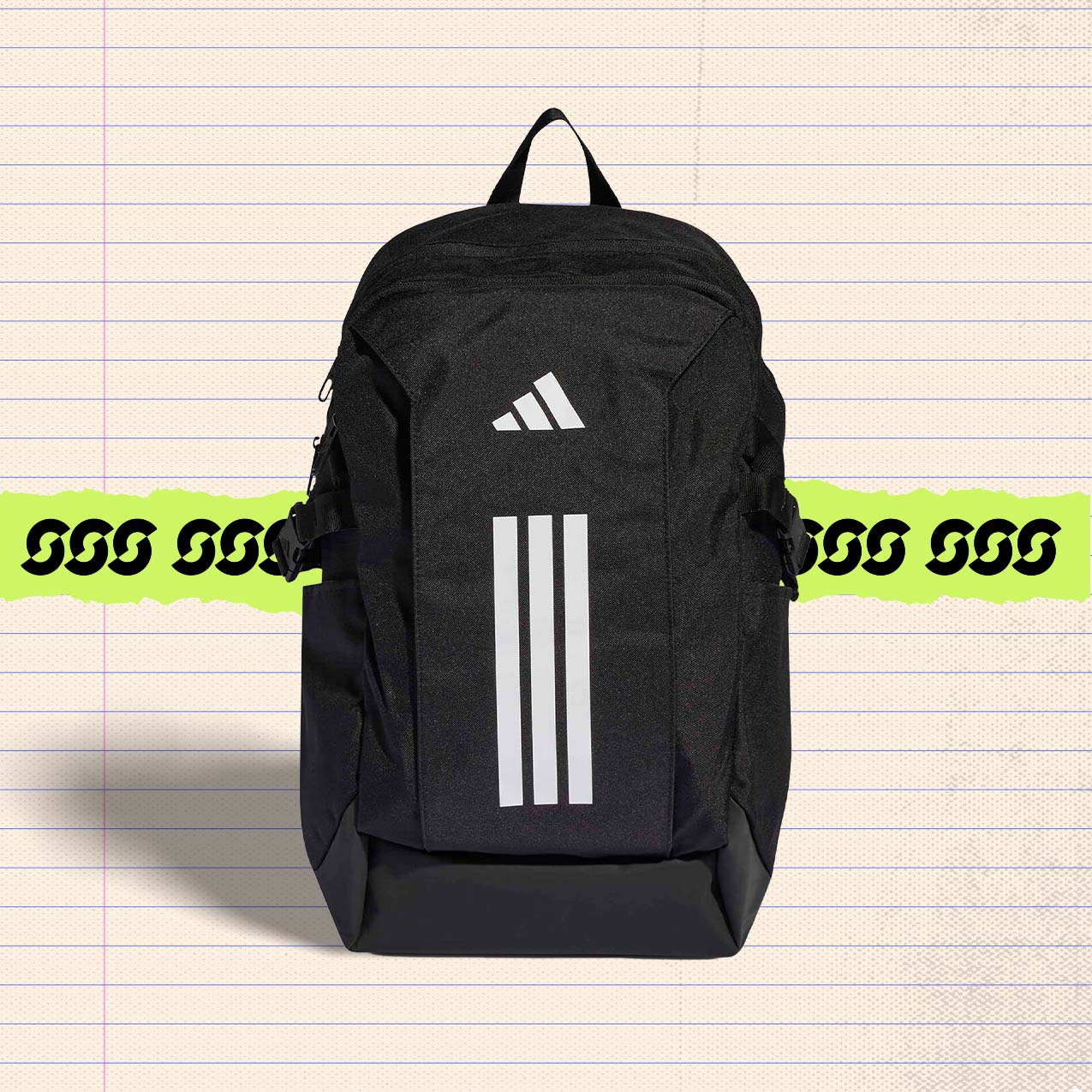
Adidas Power Backpack, 26.4L
Built for heavier textbooks and a busier school day, with a water bottle pocket and straps that keep the load steady.
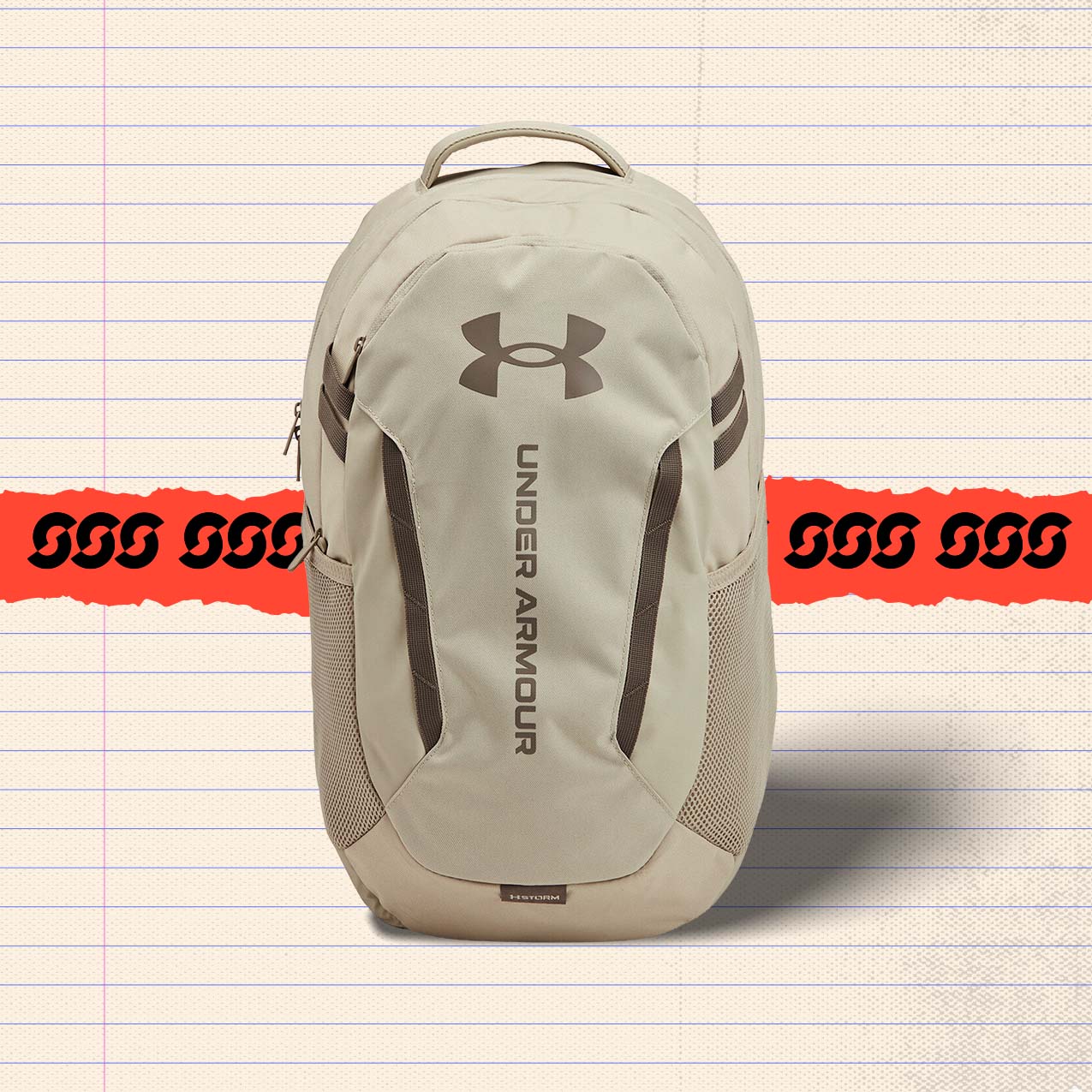

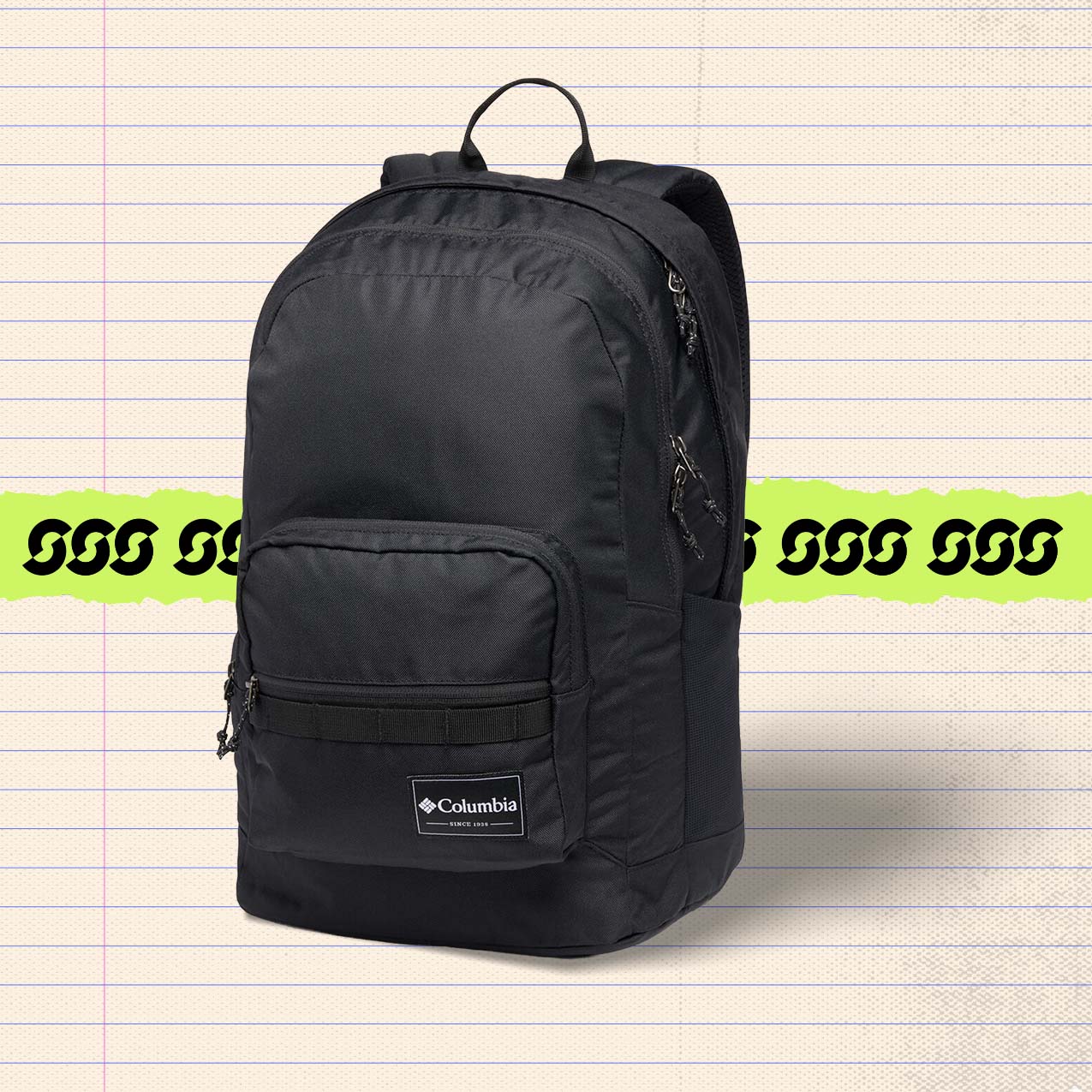
Backpacks for Boys
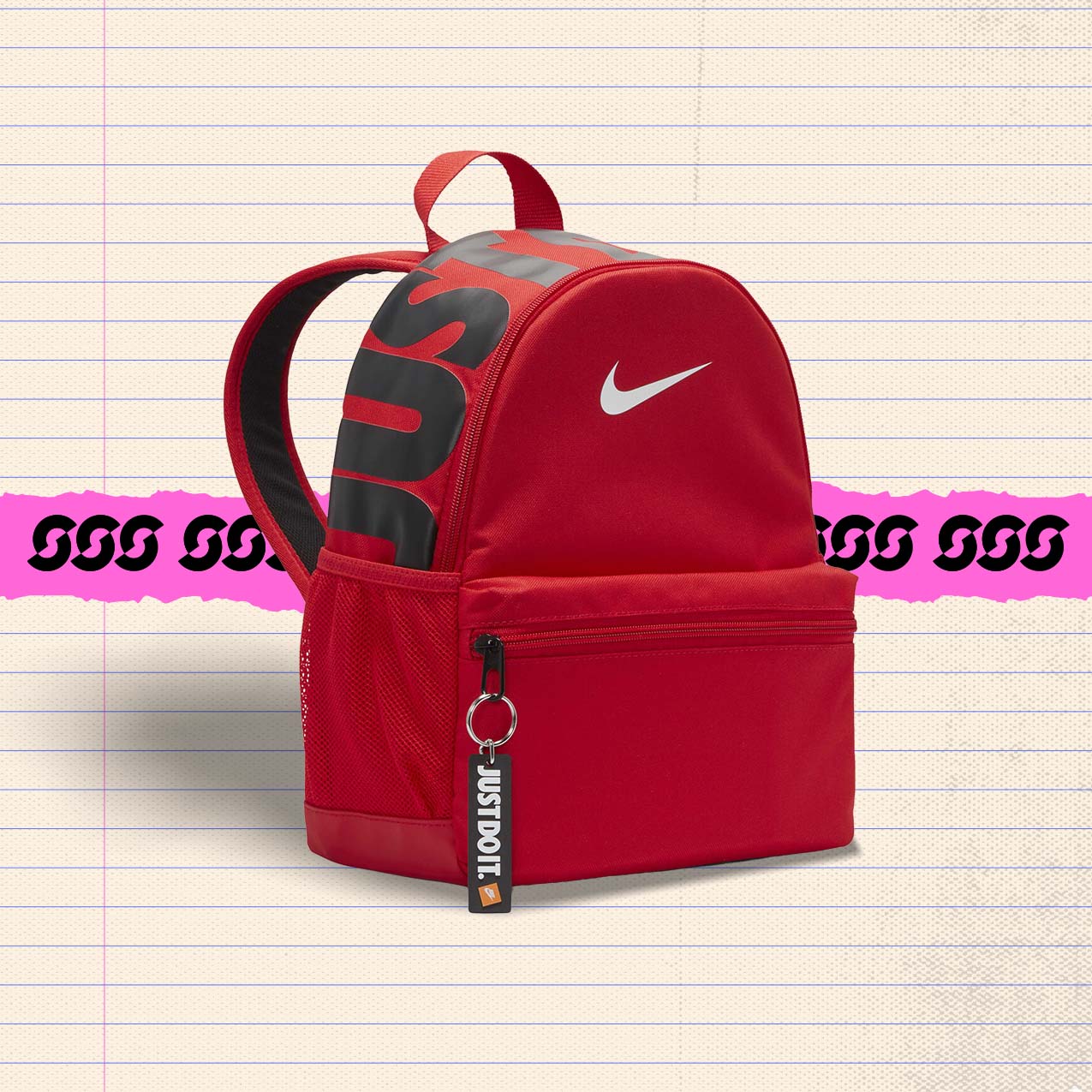
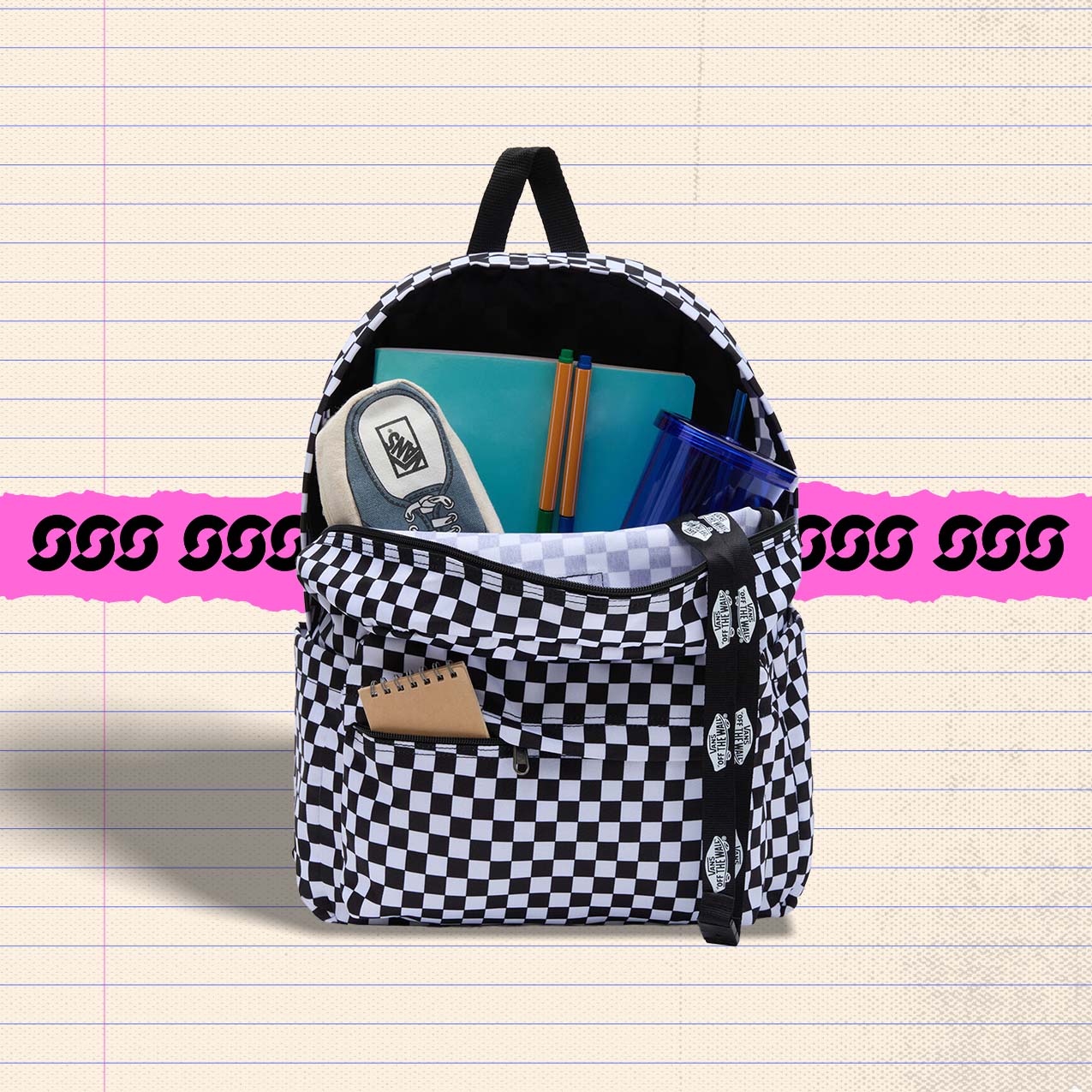
Don’t Forget the Rest of the Kit
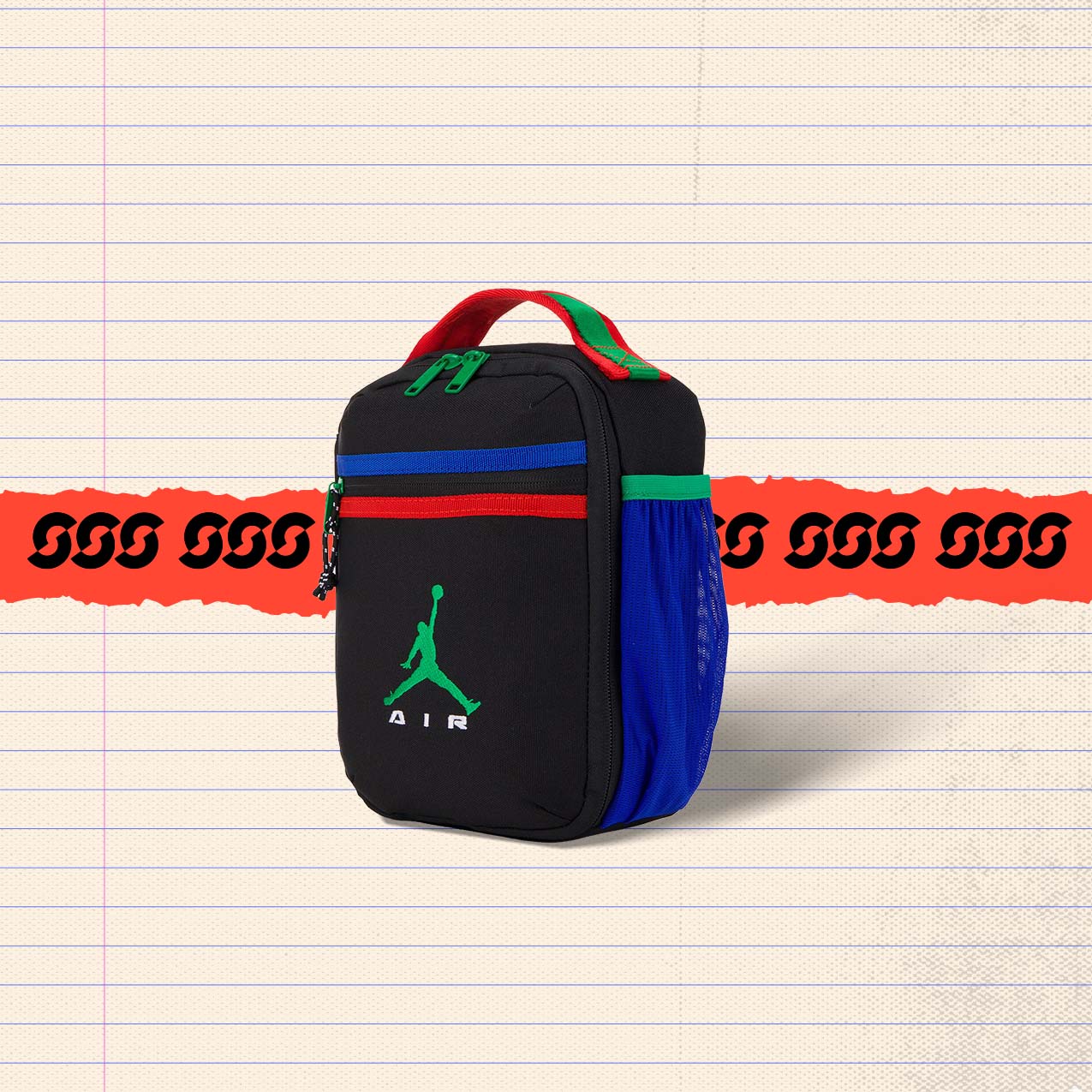
A great backpack is the anchor of your back to school shopping, but it’s rarely the only stop. While you’re at it, round things out with:
Handling it all in one trip saves you a second round of errands come week two, when someone inevitably outgrows a shoe or loses a lunch bag.
Ready to Find the Right Fit?
Shop our full back to school collection in stores or online today.
DON’T STOP NOW
SSS Blog has more great stories waiting for you
PakarPBN
A Private Blog Network (PBN) is a collection of websites that are controlled by a single individual or organization and used primarily to build backlinks to a “money site” in order to influence its ranking in search engines such as Google. The core idea behind a PBN is based on the importance of backlinks in Google’s ranking algorithm. Since Google views backlinks as signals of authority and trust, some website owners attempt to artificially create these signals through a controlled network of sites.
In a typical PBN setup, the owner acquires expired or aged domains that already have existing authority, backlinks, and history. These domains are rebuilt with new content and hosted separately, often using different IP addresses, hosting providers, themes, and ownership details to make them appear unrelated. Within the content published on these sites, links are strategically placed that point to the main website the owner wants to rank higher. By doing this, the owner attempts to pass link equity (also known as “link juice”) from the PBN sites to the target website.
The purpose of a PBN is to give the impression that the target website is naturally earning links from multiple independent sources. If done effectively, this can temporarily improve keyword rankings, increase organic visibility, and drive more traffic from search results.