
Ramadan is a holy month of spirituality and a deeply significant time in the Islamic calendar. During this month, Muslims fast from dawn to dusk, abstaining from food and drink as an act of worship, discipline, and self-reflection.
Fasting during Ramadan is one of the five pillars of Islam and is central to the spiritual purpose of the month. Beyond its spiritual significance, fasting is also known for its physical and mental benefits when done correctly. However, sudden changes in meal timing, calorie intake, and hydration can place stress on the body if not managed well.
Maintaining a balanced approach to food, hydration, and daily habits is key to staying healthy while fasting. Below are some essential do’s and donâts to help you make the most of Ramadan, both physically and spiritually.
1. Break Your Fast the Right Way
Break your fast with dates, fruits, and fluids. Dates are rich in fibre and natural sugars, helping restore energy levels gently after a long day of fasting. Fluids help rehydrate the body and prepare the digestive system before the main meal.
2. Stay Hydrated Between Iftar and Suhoor
Drinking enough water between iftar and suhoor is essential for maintaining energy, digestion, and overall health. Spread your fluid intake across the evening rather than drinking large amounts at once.
3. Eat a Well-Balanced Diet
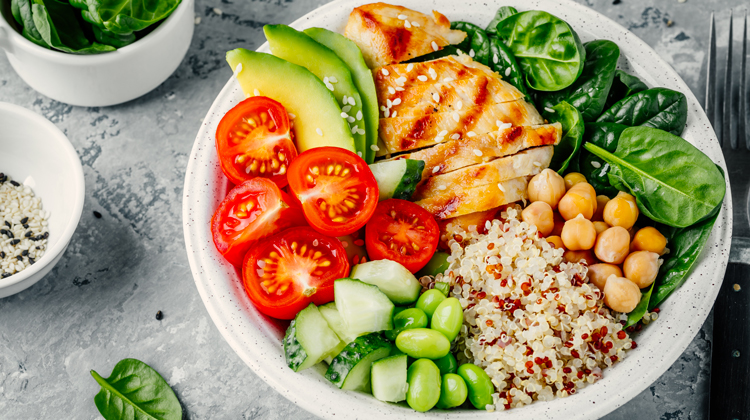
Include foods from all major food groups, such as vegetables, whole grains, lean protein, dairy, and fruits. A balanced diet helps ensure your body gets the vitamins and minerals it needs while fasting.
4. Choose Slow-Digesting Foods at Suhoor
Opt for foods rich in fibre and complex carbohydrates, such as bulgur, oats, whole-wheat bread, and whole-wheat pasta. These foods release energy slowly and help keep you feeling fuller for longer during fasting hours.
5. Exercise at the Right Time
Light to moderate exercise can be beneficial during Ramadan. If you prefer high-intensity workouts, schedule them after breaking your fast to avoid dehydration and fatigue. Listening to your body is essential during this period.
1. Donât Skip Suhoor
Skipping the pre-dawn meal can lead to low energy levels, headaches, and dehydration during the day. Suhoor helps prepare your body for the long fasting hours ahead.
2. Avoid Excessively Salty and Spicy Foods
Foods high in salt and spices can increase thirst and may lead to digestive discomfort while fasting. Limiting these foods can help prevent common health issues during Ramadan.
3. Limit Sugary and Caffeinated Drinks
Sugary beverages cause rapid spikes and drops in blood sugar, while caffeine can contribute to dehydration. It is best to minimise soft drinks, energy drinks, and excessive tea or coffee during fasting periods.
4. Donât Overindulge in Fried and Greasy Foods
Deep-fried snacks, pastries, and greasy foods may be tempting at iftar, but they can slow digestion and lead to fatigue. Moderation is key to maintaining energy and overall wellbeing.
Ramadan is a time for spiritual growth, self-discipline, and reflection. When fasting is approached mindfully, it can also support better physical health. By following these simple do’s and donâts during Ramadan, you can maintain energy levels, support your body, and focus on the deeper purpose of the Holy Month.
Being mindful of your food choices, hydration, and daily habits allows you to experience Ramadan in a healthier and more balanced way, spiritually and physically.
Agen Togel Terpercaya
Bandar Togel
Sabung Ayam Online
Berita Terkini
Artikel Terbaru
Berita Terbaru
Penerbangan
Berita Politik
Berita Politik
Software
Software Download
Download Aplikasi
Berita Terkini
News
Jasa PBN
Jasa Artikel
News
Breaking News
Berita